Home » Things to Do in Duncan » Birding & Wildlife
Birders and Wildlife Enthusiasts
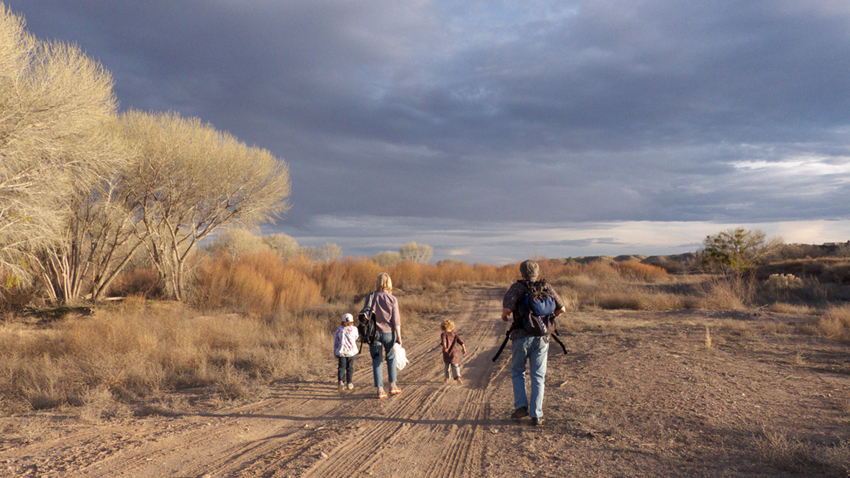
Family birding in Duncan, Arizona
There are several ebird.org “hot spots” in and near Duncan. You can find links to them all on the Town of Duncan website.
An avid young birder named Tommy DeBardeleben features Duncan and the surrounding area on his own website — see https://www.birderfrommaricopa.com/duncan-and-franklin-area.htm. Tommy has also posted his own maps of birding spots in and near Duncan.
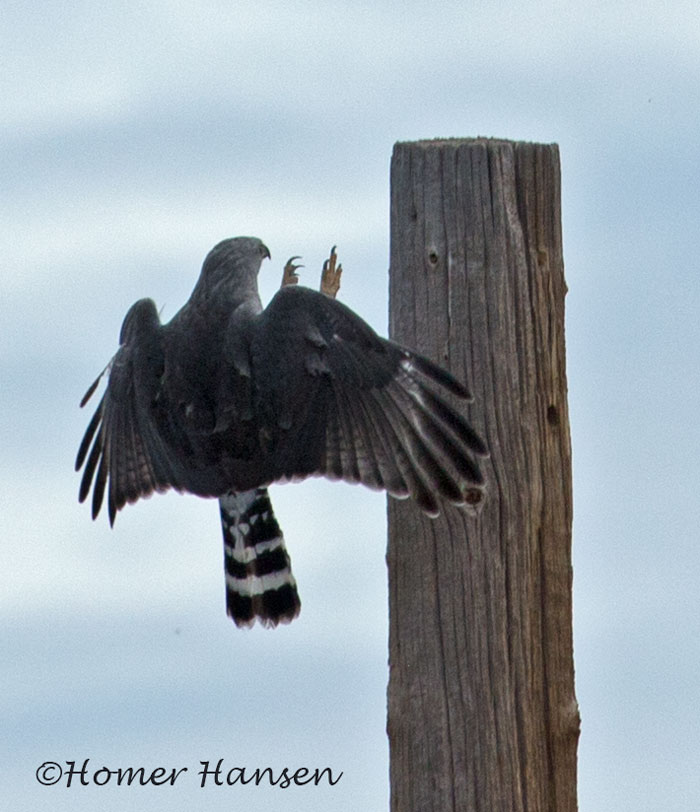
We maintain a checklist of bird species seen in and near Duncan (we’re currently at 240). You can pick up a copy at the Visitor Center/Country Chic, Duncan Town Hall, Duncan Public Library or The Simpson. We update the checklist periodically from ebird.org hot spot lists and Arizona Field Ornithologist field reports.
Parking for Duncan’s one-mile birding and wildlife trail along the Gila River is at the foot of the bridge on the south side – you’ll see a “Birding Trail” sign there. Walk past the kiosk and then straight ahead toward the river (not down under the bridge). After a quarter mile or so there is a path that takes you down into the channel, if the water isn’t too high. After that the trail curves around back to town and takes you through a damp irrigation runoff area where wild currant grows and many birds shelter. Climb up and walk along the dike all the way back to the parking area, with a sweeping view of the river valley.
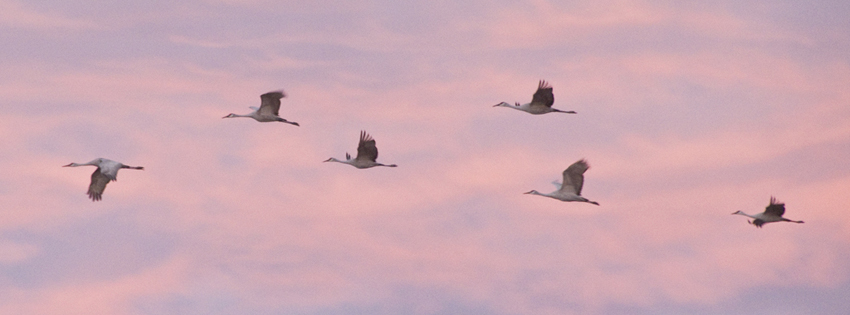
Duncan is a wintering destination for sandhill cranes and it is easy to view them along the river, especially at sunrise or sundown when they fly from or to their secret overnighting spots. Raptors of many kinds hunt along the river, including golden eagles and, more rarely, bald eagles. There’s a great blue heron rookery in a cottonwood and black walnut grove on the north side of the river, and those individuals hunt along the river channel during the day. Each year we add new migrants to our checklists – have a look. There is also a point from which we have seen beaver in the river several times. It’s on private property but we’ll describe it to you in person.
☞ See the data of the eBird "hot spot" at our Gila River Birding and Wildlife Trail.
☞ See the Facebook page of the Gila River Birding and Wildlife Trail.

Other Outstanding Bird-Watching Sites in Southeastern Arizona
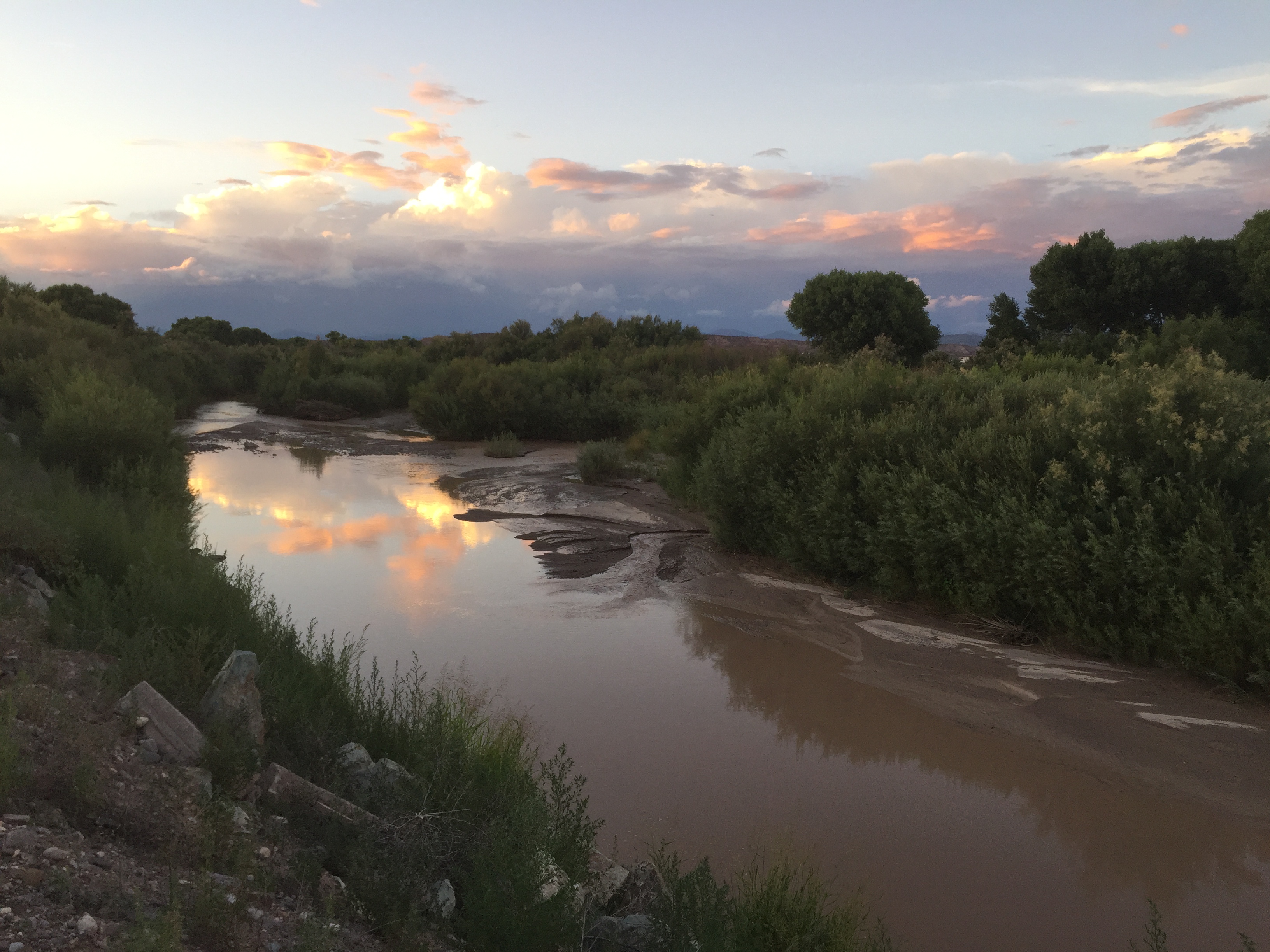
Gila Box Riparian National Conservation Area
www.blm.gov/national-conservation-lands/arizona/gilabox
There are two Riparian National Conservation Areas in the US and this is one of them. Graced by four perennial streams — the Gila and San Francisco Rivers and Bonita and Eagle Creeks — this desert woodland oasis is home to more than 200 bird species as well as bighorn sheep, javelina, white-tail and mule deer and beaver. Wildlife viewing is good year-round but birding is best during the spring and fall migrations or the summer nesting season. Birders report seeing common black-hawk, canyon wren, and ladderbacked woodpecker among others. The most accessible viewing station, at Bonita Creek, is a lovely 55-mile drive from Duncan.
Reay Lane Reclamation Ponds and Marsh
https://hikearizona.com/decoder.php?ZTN=19013
This wastewater reclamation facility in the Town of Thatcher just west of Safford on Highway 70 provides excellent waterfowl and shorebird habitat and has yielded numerous rare bird sightings. Close to town and adjacent to the Gila River. Directions: From Highway 70 in Thatcher, turn north on Reay Lane. Ponds are just before river access. About 45 miles from Duncan. For more information, call the Town of Thatcher (928) 428-2290
Cave Creek Canyon in the Chiricahua Mountains
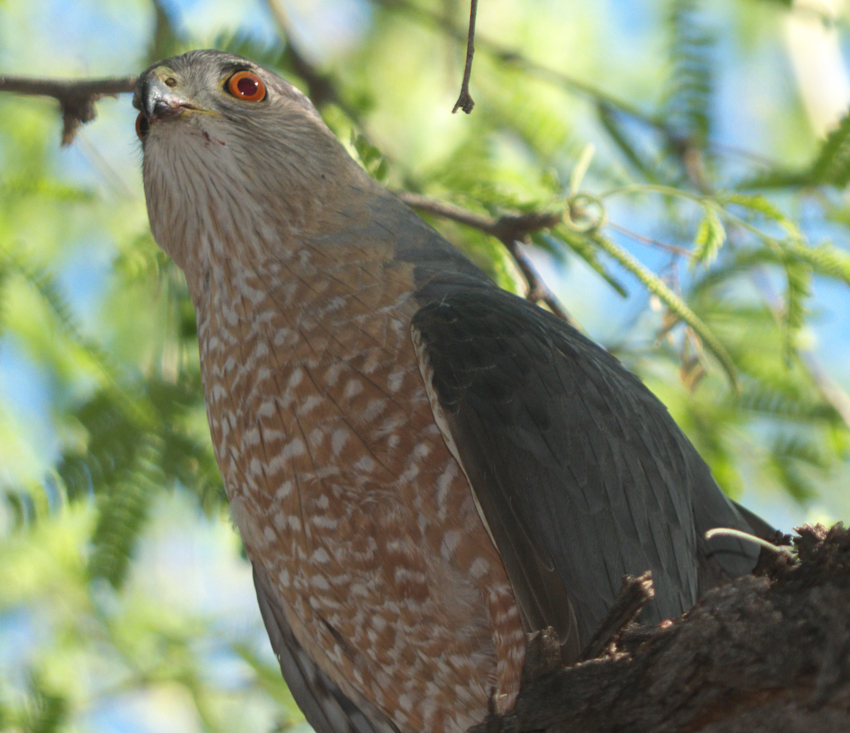
It’s 90 miles from Duncan to Portal, Arizona, home to animal and plant species found nowhere else on earth. Tropical birds make their way to this range, which contains the largest of Arizona’s legendary “sky islands.” More than 300 different bird species have been documented there in the Chiricahuas. Birders are especially excited about the Elegant Trogons and Eared Quetzals. Up a few miles above the hamlet of Portal at the mouth of Cave Creek Canyon, you will find the Southwestern Research Station, a facility of the American Museum of Natural History. Visitors are welcome to observe the station’s hummingbird feeders and to visit the small gift shop. From time to time the station offers programs and even housing facilities to the public, but its mission is to accommodate scientists. So keep quiet!
One of our own favorite getaways is the historic George Walker House, www.thegeorgewalkerhouse.com/ in a tiny settlement called Paradise, Arizona, in the northwestern flanks of the Chiricahua Mountains. The proprietor is an expert birder, and the guest house is private, comfortably furnished, and as much a refuge for humans in search of reconnecting with quiet and with the natural world as it is for the birds and bats that Jackie feeds daily.
On your way to Paradise from Duncan, you can make a stop at the Chiricahua Desert Museum right at the turn-off on NM 80 that takes you to Portal and on to Paradise. This 8000 sq. foot facility celebrates the diversity of wildlife and spectacular beauty of the eastern Chiricahua region. 4 Rattlesnake Canyon Road, at Portal Road NM 80 28 miles south of I-10.
Blue and San Francisco Rivers
Blue and San Francisco Rivers Ecosystem/Apache-Sitgreaves National Forest (an Audubon Society Important Bird Area)
White Mountains Audubon calls the Blue River “one of the most interesting and under-birded areas in east central Arizona” and gives good directions for finding their preferred spot. This remote IBA provides refugia for the Mexican spotted owl and the "Apache" northern goshawk.
The riparian corridor of the San Francisco and lower Blue Rivers provides habitat for the endangered southwestern willow flycatcher. Other riparian dependent species include Bell's vireo, Lucy's warbler, common black hawk, great and snowy egrets, and wintering bald eagles.
The higher elevation confer forests are habitat for Grace's, MacGillivray's, and red-faced warblers, band-tailed pigeon, calliope and rufous hummingbirds, and flammulated owl.
And Over the Border in New Mexico
The Southwest New Mexico Audubon Society has a number of online resources. You can see their Southwestern New Mexico Birding Trail Map here at the Simpson or pick one up at a ranger station or in Silver City, a 75-minute drive from Duncan.
Gila Lower Box Canyon Wilderness Study Area
https://www.blm.gov/visit/gila-lower-box-canyon
This remote site is only 25 miles from Duncan but the last several miles are. Part of the Gila Corridor riparian area, the Gila Lower Box is an Audubon Society Important Bird Area and a designated biological Area of Critical Environment Concern under the Bureau of Land Management. Since livestock were removed from the river canyon in 1990, a lush native community of cottonwood, willows, and other riparian and aquatic vegetation has re-established and flourished. The area provides some of the best birding in New Mexico. Home to approximately 200 species, it has one of the highest bird diversities in the state. The area provides habitat to many rare and unusual birds including Bell's vireo, peregrine, bald eagle (in winter), golden eagle, black hawk, zone-tail hawk, gray hawk, yellow-billed cuckoo, Gila woodpecker, and Abert's towhee. The river provides opportunities for canoeing or rafting during spring runoff, hunting, and year-round fishing and camping. The river contains smallmouth bass and several species of catfish.
Chihuahuan Wildlife Heart Bar Riparian Area
https://www.wildlife.state.nm.us/wp-content/uploads/2014/06/Heart-Bar-GAIN-WMA-NMDGF.pdf
This remote site offers a variety of wildlife animal activity such as black-headed grosbeak, yellow-breasted chat, mallard, common merganser and other species. The common black-hawk has been sighted here. Take NM Hwy 15 north of Silver City about 30 miles. Look for the tiny settlement of Gila Hot Springs and start counting mileage from the Gila Hot Springs Store. Continue 1.3 miles north of the store to the sign for Little Creek. Just past the sign, pull off the road on the right and look for a trail encircling the pond. Another 1.5 miles north along NM 15 look for a dirt track to the right, just beyond mile marker 41; the track is flanked by wooden poles on each side. For more information call New Mexico Dept. of Game and Fish (505) 476-8000. About 120 miles from Duncan.
Guadalupe Canyon
A very isolated shallow canyon along the southern border of the Coronado National Forest, Guadalupe Canyon draws expert birders from around the world for its exceptional migration species. The streams in the canyon are seasonal and thus subject to flash flooding, so be prepared. Among the species recorded in the canyon are rarities within the United States, including the buff-collared nightjar, thick-billed kingbird, fan-tailed warbler and elegant trogon. The canyon is a free camping area. To access, you must first go to Douglas, Arizona, and take Geronimo Trail east for about 25 miles to Guadalupe Canyon Road, where you make a right. Just past the New Mexico state line, go north on a forest service road north for about two miles to the canyon. Douglas is about two hours from Duncan. For more information call BLM Las Cruces District Office: (505) 525-4300